Biography
St George’s, Hanover Square: birth and marriage
A family-held certified baptism extract records William as born on 24 June 1785, son of John and Ann Hawes, and baptised on 3 July 1785 at St George’s, Hanover Square. A marriage-register extract records William Hawes and Elizabeth Mullinex marrying there by banns on 12 March 1805; both were described as belonging to the parish. Earlier family research gave his birthday as 21 June, so this discrepancy is retained pending inspection of the underlying parish page.
An account published during his lifetime
John Sainsbury’s 1824 Dictionary of Musicians gives a remarkably detailed account of William Hawes’s professional life through 1820. It places him among the musicians who shaped London’s church music, theatre orchestras, concerts and music publishing. A full transcription of the period biography is preserved separately in the family source collection.
1793–1801: a Chapel Royal chorister
The 1824 dictionary states that Hawes entered the Chapel Royal as a chorister under Edmund Ayrton in 1793 and remained until 1801. This is a published contemporary account rather than a surviving choir admission register.
1802–1808: professional beginnings
According to the dictionary, he played violin in the Covent Garden theatre orchestra and began teaching singing in 1802, became deputy vicar-choral at Westminster Abbey in 1803, and was appointed a Gentleman in Ordinary of the Chapel Royal in July 1805. It also records professional and honorary society memberships from 1806 to 1808.
1813–1817: national musical institutions
The 1824 account calls Hawes an original associate of the Philharmonic Society in 1813. In 1814 he became almoner, master of the boys and lay-vicar at St Paul’s Cathedral. In 1817 he was appointed Master of the Children of the Chapel Royal, lutenist to the King and full vicar-choral at Westminster Abbey.
1817: 7 Adelphi Terrace as a choristers’ residence
Archival descriptions of St Paul’s Cathedral Choir School record that William Hawes housed the cathedral choristers at 27 Craven Street from about 1812, then moved his household to 7 Adelphi Terrace in 1817. There eight St Paul’s boys boarded alongside ten Chapel Royal choristers. This establishes the institutional role of the family home, but not whether St Paul’s owned the freehold, held a lease or paid Hawes to provide accommodation. St Paul’s Choir School records indicate a change in boarding arrangements in 1845.
1820: leaving Westminster Abbey
The biography states that Hawes resigned his Westminster Abbey office in 1820 following a dispute about privileges. This is the dictionary’s account of his grievance and should be corroborated against Abbey records before it is treated as the definitive explanation.
The Royal Harmonic Institution
Sainsbury’s dictionary credits him with promoting the Royal Harmonic Institution, intended to allow composers to publish their own music and benefit from its sale. The source links the scheme with the rebuilding of the Argyll Rooms.
Songs, glees and historic music
The 1824 entry lists many songs and glees associated with Hawes, including arrangements of traditional airs such as Barbara Allan and Comin’ through the rye. It also credits him with republishing Thomas Morley’s Triumphs of Oriana. The list combines original pieces and arrangements and should not be interpreted as a catalogue of exclusively original compositions.
The next generation
The Oxford biographical register identifies William Henry Bartleman Hawes as William’s second son. The family tree also records his daughter Maria Billington Hawes, the singer.
Evidence still to check
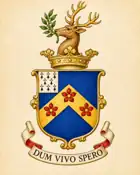
The exact baptismal record, original institutional appointment registers and individual musical publications should be inspected alongside the 1824 dictionary. William’s portrait on this website was supplied by the family in November 2026.
Original family records
Open a record to see its transcription, original photograph where published, and research notes. Only verified repository images are previewed below.
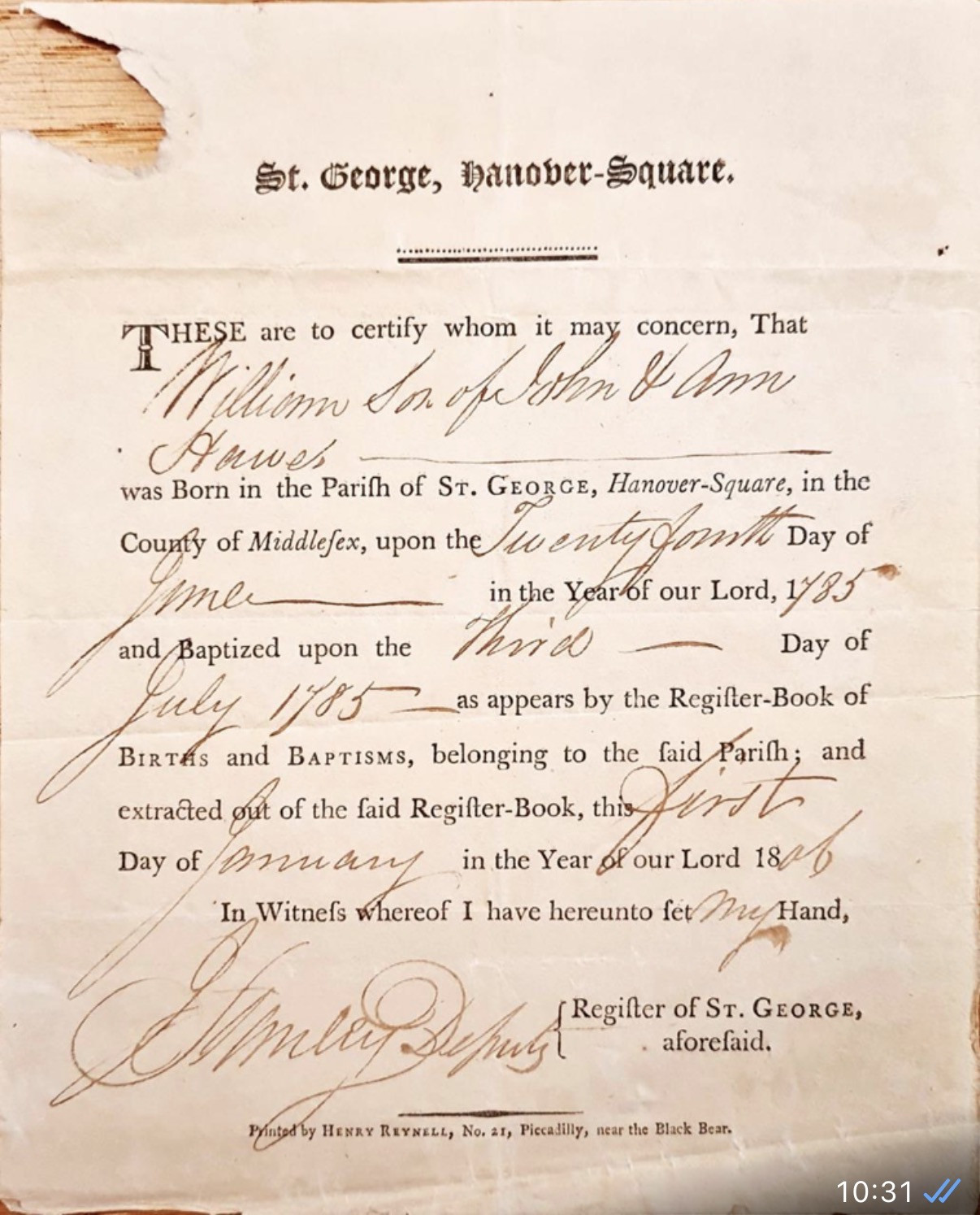
St George, Hanover Square
Read document and research notes →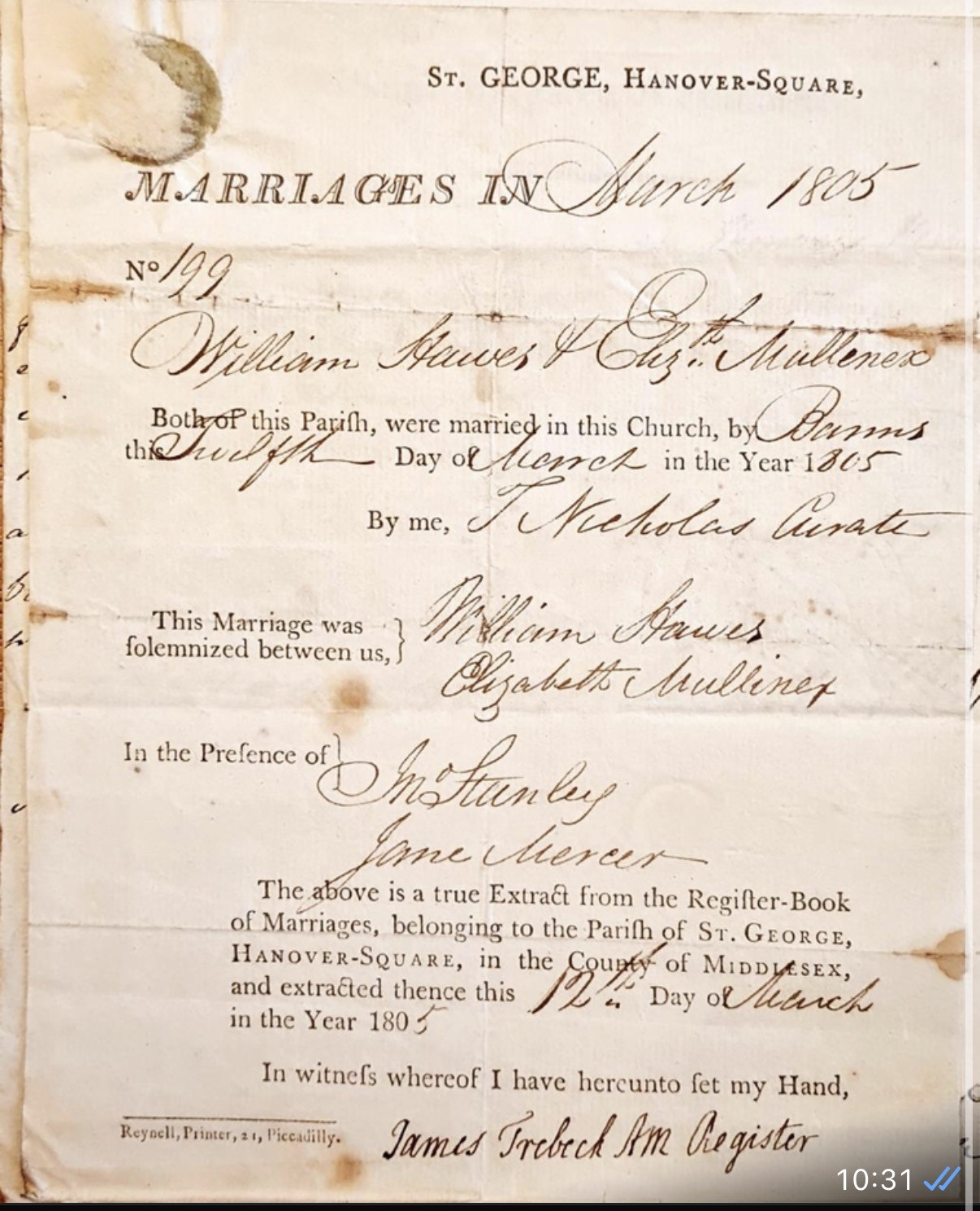
Parish marriage register, 12 March
Read document and research notes →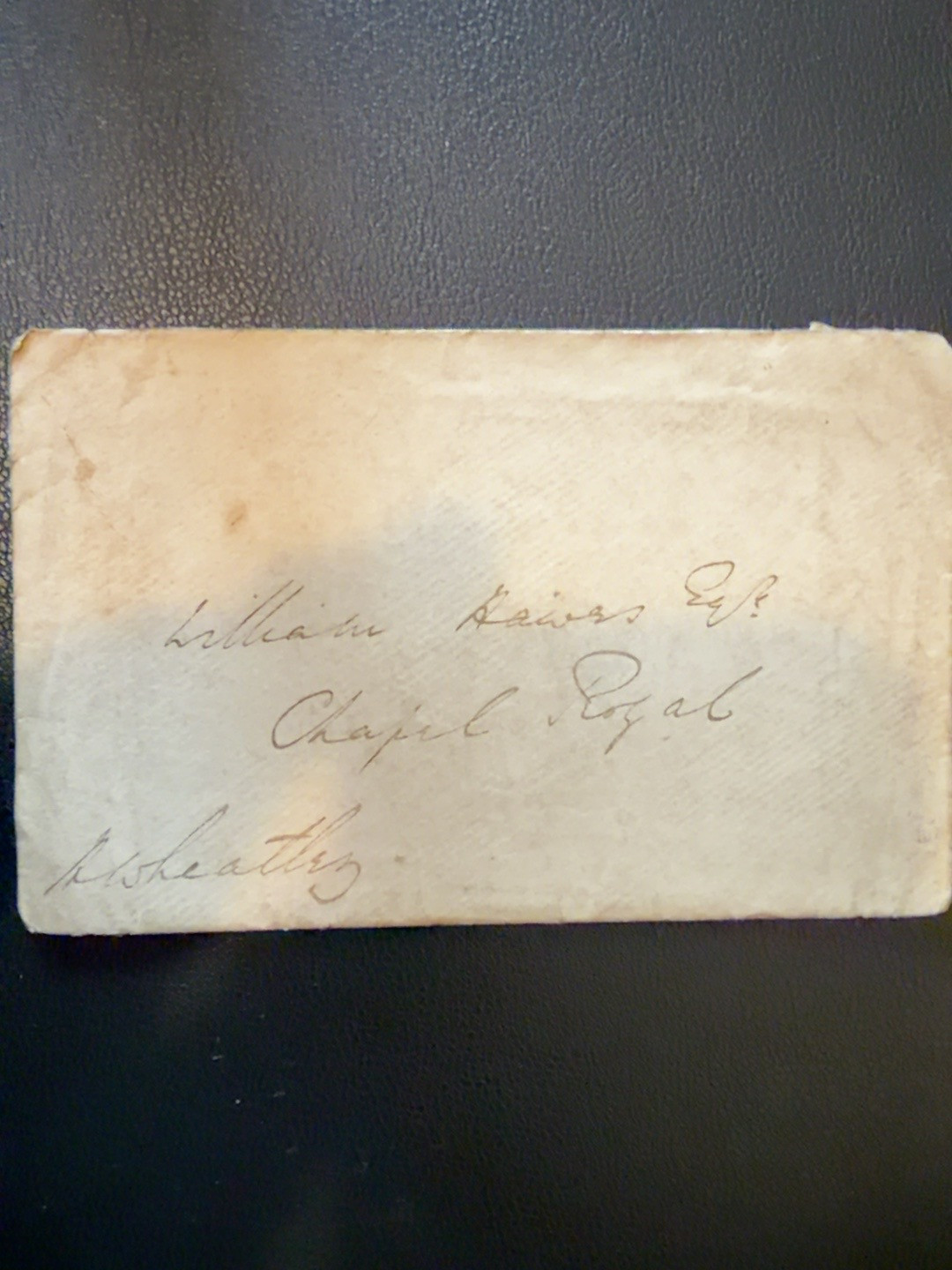
Original manuscript address
Read document and research notes →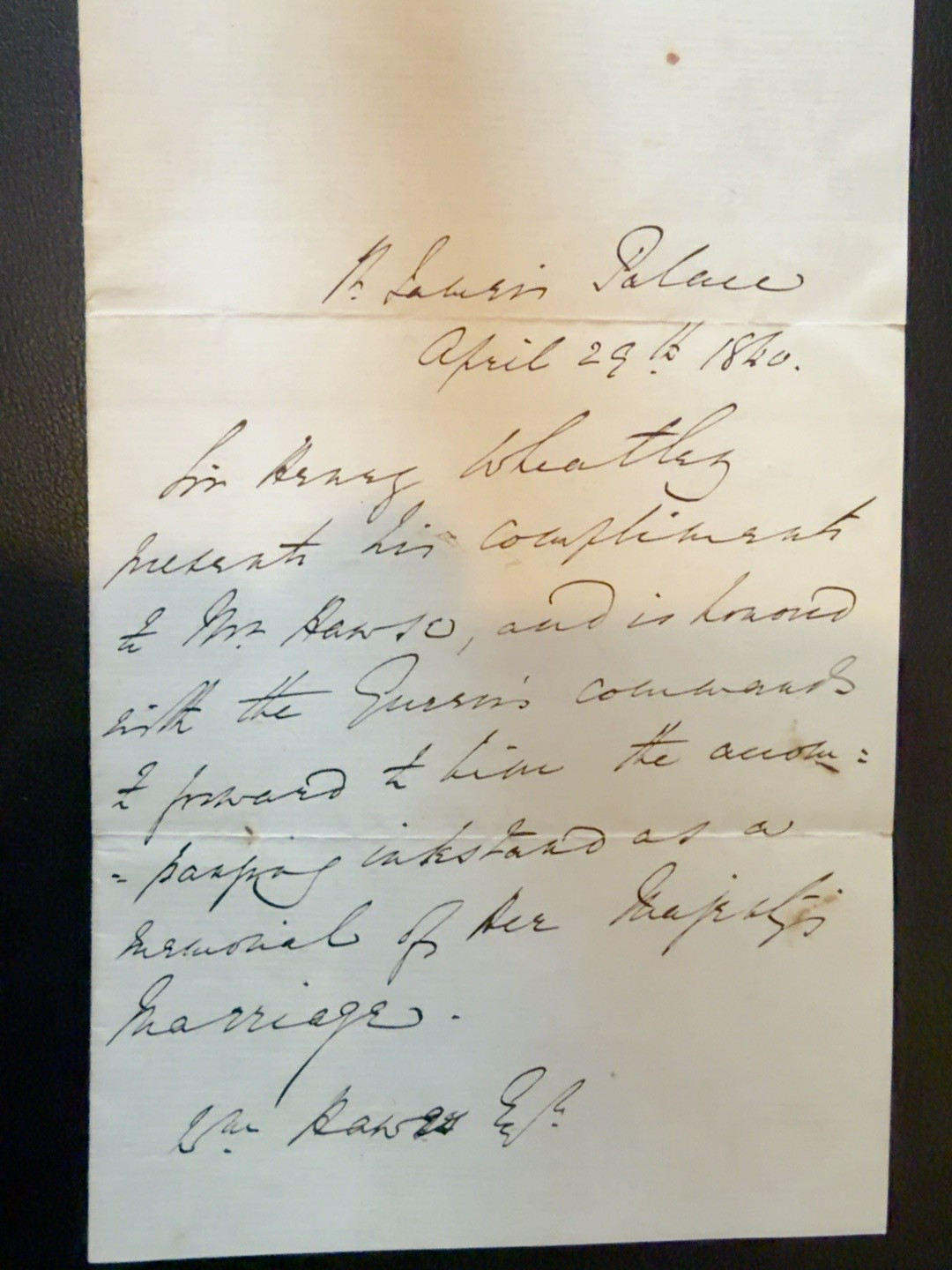
Sir Henry Wheatley correspondence
Read document and research notes →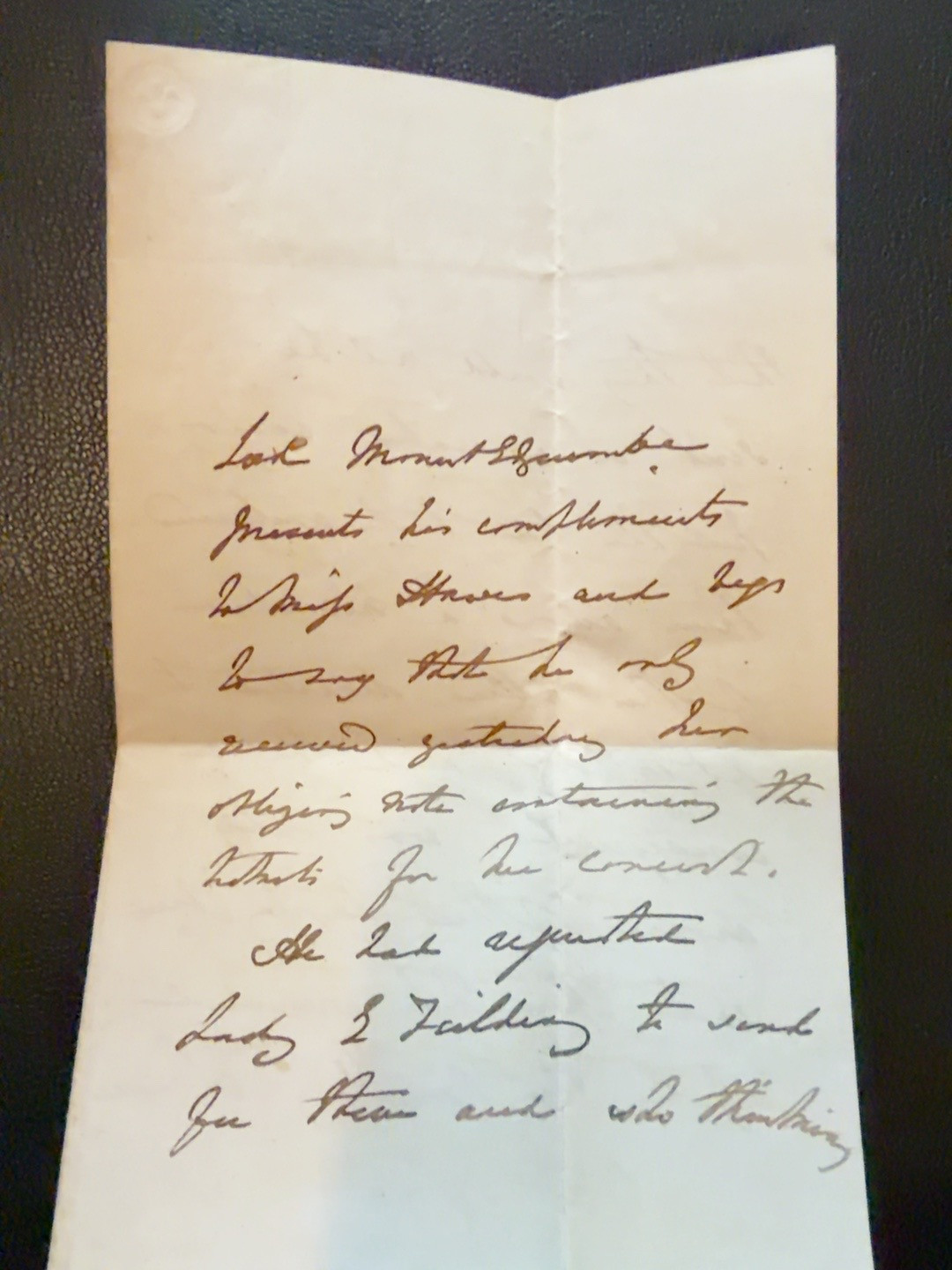
Concert invitation, two-page original
Read document and research notes →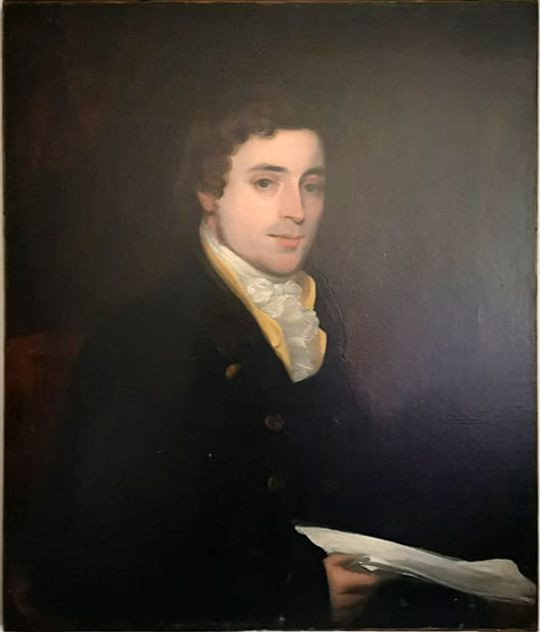
Original family source or associated research record.
Read document and research notes →Further reading and sources
- St Paul’s Cathedral Choir School archival description
- A History of English Cathedral Music (contemporary historical secondary account)
- Oxford register entry for his son
- William Hawes biography
- 1824 contemporary biography — full transcription
- John Sainsbury, A Dictionary of Musicians (1824)
- WikiTree Hawes-2033
This is a research biography, not a fully verified pedigree. Original photographs, contemporary records, later copies, GEDCOM assertions and family recollections are distinguished where their evidential status is known. Details of living descendants are omitted.